

Take action
Recycle glass. Keep it going.

KEY TAKEAWAYS
- Used glass packaging can be remelted to make new bottles and jars.
- Using recycled glass reduces the need for virgin raw materials and cuts the energy needed for melting.
- Bottles, jars and many glass flacons can usually enter packaging glass collection, depending on local rules.
- Cookware, mirrors, drinking glasses and other specialist glass have different compositions and need separate collection routes.
A bottle or jar may be empty, but the glass still has plenty to give.
Collected, sorted and prepared correctly, used glass can become a valuable raw material for new containers. The important thing is knowing which glass belongs in the packaging recycling loop and which items need a different route.
Why recycle glass?
Glass packaging is made from raw materials such as sand, soda ash and limestone, together with recycled glass, known as cullet.
The latest FEVE life-cycle data uses an EU average recycled content of 53.55% for container glass. The more high-quality cullet that is available, the more recycled material can be used to make new bottles and jars.
Source: FEVE, Life Cycle Assessment, independently peer-reviewed in 2024 – Explore the FEVE Life Cycle Assessment
Recycling keeps glass moving
Recycled glass replaces part of the virgin raw materials needed to make new containers.
FEVE estimates that every tonne of recycled glass used in a furnace can replace around 1.2 tonnes of virgin raw materials.
A bottle returned to the loop can therefore become a useful resource for the next one.
Source: FEVE, How to calculate the Recycled Content and the Post-Consumer Recycled Content of Glass Containers, 2020 – Read the FEVE position paper
Can all glass go in the same bin?
Not quite. Glass may look similar, but different products can have very different compositions, coatings and melting properties.
Packaging glass is designed to work within a specific collection and recycling system. Heat-resistant cookware, mirrors or drinking glasses, for example, need to follow other routes because mixing different glass types can affect the quality of the cullet prepared for new bottles and jars.
Local collection systems also differ, so the best rule is simple: always check your municipality’s guidance when in doubt.
Source: Recycle Now, Glass bottles and jars – Check which glass items belong in packaging recycling
From empty bottle to cullet

COLLECT AND SORT
Once collected, used packaging glass travels to a glass recycling facility. There it is sorted and cleaned to remove materials that should not enter the furnace.
The glass is then crushed and processed into cullet, the furnace-ready recycled glass used to produce new containers.

REMELT AND RETURN
High-quality cullet can be sent back to glass manufacturers and remelted into new bottles and jars.
Colour can matter too. Depending on the collection system, clear, green and amber glass may be collected or sorted separately to provide manufacturers with the right cullet for the next production cycle.
Source: Close the Glass Loop, Roadmap to Optimise Closed Loop Recycling of Glass Packaging – Explore the glass recycling loop

BOTTLES
Food and drink bottles in clear, green or amber glass can usually join the packaging glass collection.

JARS
Jam, sauce, condiment and other food jars are familiar candidates for the glass recycling loop.
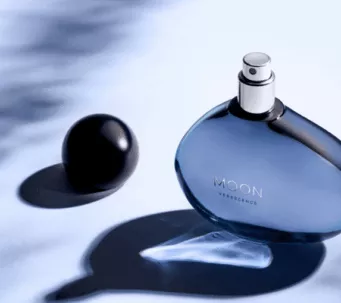
FLACONS
Perfume, cosmetics and other glass containers may also be accepted. Always check local collection rules.
A few good habits
Before recycling a bottle or jar, empty it and give it a quick rinse if needed.
What you do with lids, caps and corks depends on the collection system where you live. Some ask you to replace the lid, others to separate it. The same applies to colour sorting.
A quick check of your local instructions is the easiest way to make sure your glass reaches the right place.
Source: Recycle Now, Glass bottles and jars – See practical recycling guidance
Some glass needs another route
Oven dishes, heatproof jugs and microwave turntables are designed to cope with large temperature changes.
Their composition and melting behaviour differ from container glass, so they should not be mixed with bottles and jars.
Source: Recycle Now, Pyrex – See recycling guidance for heat-resistant glass
The right glass
in the right place
Good recycling is not about putting every glass object into the same container. It is about helping the right material reach the right recycling process.
In a 2024 study covering 81 glass cullet recycling facilities in 20 European countries, 93% of the material entering the facilities was effectively recycled, with 85% sent for remelting in glass packaging production.
85% of material entering the surveyed facilities was sent for remelt into new glass packaging.
That is what a well-functioning loop looks like: collect the right glass, sort it well and make it useful again.
Source: Close the Glass Loop, Performance of Packaging Glass Recycling in Europe, 2024 Report, 2022 data – Read the recycling performance report
And if it cannot go in the bin?
Start with your local recycling guidance. Some glass objects that do not belong with bottles and jars can still be collected separately at recycling centres.
If an item is still in good condition, there may be another option before disposal. Drinking glasses, mirrors or cookware can sometimes be donated or passed on. Empty bottles and jars can also find creative uses at home when appropriate.
The important thing is not to guess. A few seconds spent checking the right route can help keep the glass recycling loop running smoothly.
Related articles


