

Experience
Glass, made to be experienced

Glass packaging is more than something you see. It is something you hold, open, pour from and share.
From an iconic perfume bottle to a favourite jar in the kitchen, glass can become part of how we experience a product — through its transparency, its shape, its feel and even its sound.
KEY TAKEAWAYS
- Glass can turn packaging into part of the product experience.
- Its transparency, feel and distinctive shapes help products express their identity.
- Glass gives designers plenty of room to create bottles, jars and flacons with character.
- Once empty, glass packaging can also inspire creative new uses at home.
When packaging becomes experience
Think of a perfume you recognise before reading the label. The sound of a bottle opening for a celebration. A jar that lets you see exactly what is inside.
Packaging is part of these moments. It shapes the way we first discover a product, how we hold it and how we remember it. With glass, design and experience naturally come together.
From everyday essentials to products made for special occasions, glass can give what is inside a distinctive stage of its own.
Glass appeals to the senses
Glass can put the product itself on display. Its transparency lets the colour, texture and character of what is inside become part of the overall design.
And that matters. In a 2018 study carried out by InSites Consulting for FEVE among 2,030 consumers aged 18–34 across five European countries, 86% of respondents associated glass with the most premium feel for beauty, fragrance and medical products.
Source: FEVE / InSites Consulting, Consumer Research on Glass Flaconnage Packaging, 2018.
From first look to first touch

A product you can see
Transparency is one of glass packaging’s most recognisable qualities. It can allow the product itself to take centre stage: the colour of a drink, the texture of a preserve or the shade of a skincare formula can all become visible parts of the experience.
Scientific literature on food packaging also identifies transparency and the ability to produce glass in numerous shapes as useful packaging characteristics.
Source: Marsh & Bugusu, Food Packaging—Roles, Materials, and Environmental Issues, Journal of Food Science, 2007 — Read the scientific paper

A moment you can hear
Some experiences have a soundtrack. The pop of a bottle opening. The twist of a jar lid. The gentle clink when glasses come together to mark a moment worth celebrating.
They are small gestures, but familiar ones. They help explain why packaging can become part of the memory around a product — from an everyday meal to life’s bigger occasions.
Beauty with a job to do
Good design starts with purpose.
Glass is not only valued for the way it looks. Scientific literature describes it as odourless and chemically inert with virtually all food products, as well as impermeable to gases and vapours. These barrier properties help it protect food and maintain freshness without impairing taste or flavour.
That means the same material that gives designers room to create also performs an essential job: respecting and protecting what is inside.
Source: Marsh & Bugusu, Food Packaging—Roles, Materials, and Environmental Issues, Journal of Food Science, 2007 — Read the scientific paper
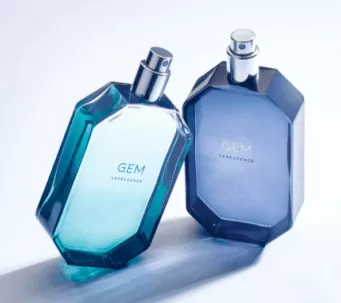
PERFUME
An expressive flacon can become part of a fragrance’s identity, recognisable at a glance and designed to be held.
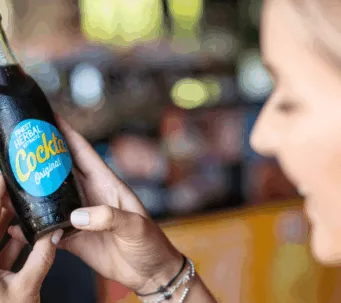
CELEBRATION
Open, pour, share, clink. Glass is part of many of the gestures we associate with celebrating together.
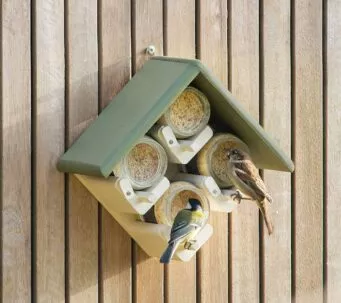
HOME
When the product is finished, a favourite bottle or jar can find a creative new role around the home.
The creativity can continue
An empty glass bottle or jar does not have to disappear from view straight away.
It can become a vase, a table centrepiece, a kitchen container, bathroom storage or the starting point for a family craft project. At Christmas, Halloween or simply on a creative afternoon, familiar glass packaging can take on a completely different personality.
This kind of creative repurposing is different from formal packaging reuse systems, where containers are collected, washed and refilled. Here, it is simply about enjoying an object for a little longer — and seeing what else it can become.


